UK Gambling Loyalty Systems: How Tiered Rewards Reshape Long-Term Player Habits Across Sportsbooks and Casinos
Written by Logan Schröder · Aug 16, 2026
UK Gambling Loyalty Systems: How Tiered Rewards Reshape Long-Term Player Habits Across Sportsbooks and Casinos
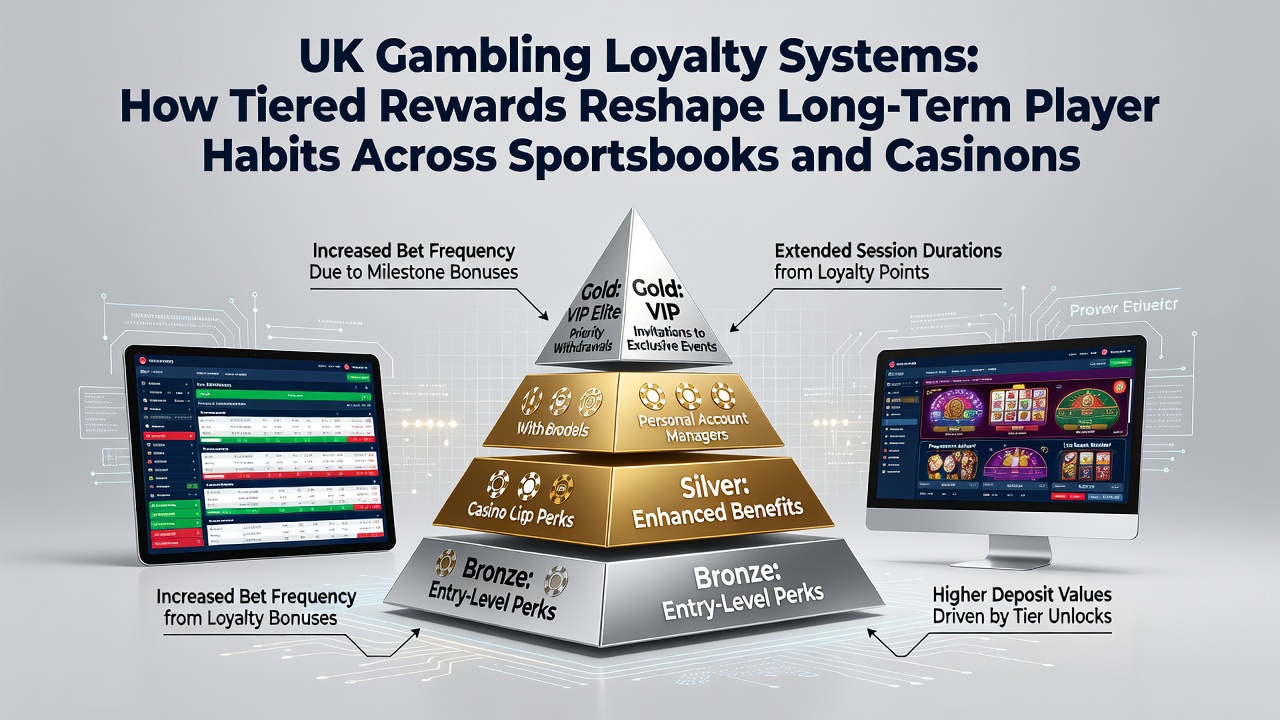
Tiered loyalty programs operate across major UK sportsbooks and casinos by assigning players to levels based on accumulated points from wagers and playtime, with each tier unlocking escalating benefits that encourage sustained engagement over months and years rather than isolated sessions.
Operators structure these systems around core mechanics where points accrue from betting activity on sports markets or casino games, and reaching higher tiers delivers cashback percentages, faster withdrawals, and exclusive event access that compound over repeated visits.
Mechanics of Point Accumulation and Tier Progression
Players earn loyalty points through consistent activity such as placing accumulators on football fixtures or spinning reels on slot titles, and the conversion rates vary by operator while data from industry reports shows average monthly point thresholds range from 500 for entry levels to over 50,000 for top tiers. Advancement happens automatically once thresholds are met, and many programs reset progress monthly or quarterly to maintain momentum.
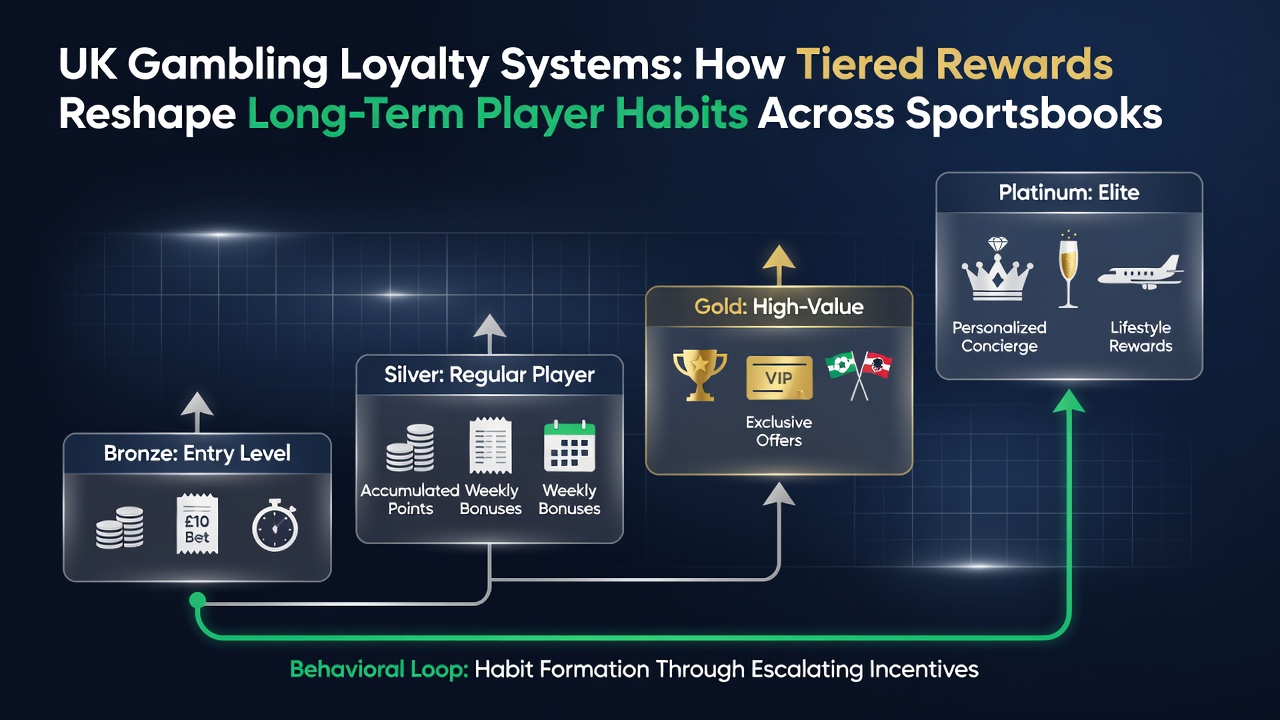
Benefits scale accordingly with bronze members receiving basic reload credits while gold and platinum participants access personalized account managers alongside higher cashback rates that reach 15 percent on net losses in some cases, according to patterns observed in operational summaries from European gaming associations.
Shifts in Long-Term Player Engagement Patterns
Research from academic sources indicates that tiered rewards correlate with extended session durations and more frequent logins, as participants adjust betting patterns to meet monthly targets that preserve their status. One longitudinal analysis found participants in multi-tier schemes demonstrated 25 percent higher retention rates after six months compared to those on flat reward structures.
Habit formation occurs through psychological reinforcement loops where early tier gains prompt players to diversify across sports betting and live casino tables, building routines that prioritize platforms offering seamless point tracking across product verticals. Data compiled in August 2026 updates from international gaming research bodies revealed increased cross-category play among tiered users, with many shifting from single-game focus to balanced portfolios that maximize point multipliers during promotional windows.
Seasonal fluctuations appear in habit data as well, with summer months showing spikes in tier maintenance activity tied to major tennis and cricket events that allow players to bank points ahead of quieter periods.
Variations Between Sportsbook and Casino Loyalty Structures
Sportsbook tiers often emphasize volume-based metrics such as total stake amounts on match outcomes and accumulator builders, whereas casino programs reward spin counts and table game contributions with separate multipliers for live dealer sessions. Observers note that this distinction leads many users to maintain parallel accounts, alternating focus depending on upcoming fixtures or tournament schedules to optimize overall tier advancement.
Integrated operators that combine both verticals under unified loyalty frameworks see stronger habit consolidation, with players developing weekly rhythms that include both pre-match betting and evening casino sessions to sustain momentum toward quarterly milestones. Figures from responsible gambling studies conducted across multiple jurisdictions highlight how unified points systems reduce platform switching by 18 percent among active tier climbers.
Behavioral Adaptations and Reward Utilization
Those participating in tiered systems frequently recalibrate wager sizes and game selections to align with point-earning efficiencies, such as favoring higher-odds sports markets during low-activity weeks or selecting casino titles with elevated contribution rates toward loyalty progress. External data linked from the Responsible Gambling Council illustrates these adjustments occur most prominently after initial tier ascents, when the perceived value of maintaining status outweighs exploratory play on unfamiliar platforms.
Longer-term tracking reveals that top-tier members exhibit more predictable deposit patterns and reduced variance in monthly activity levels, as exclusive perks like priority support and event invitations create additional anchors that discourage temporary disengagement. August 2026 industry summaries further documented how such adaptations extend average account lifespans by aligning player routines with operator calendars for bonus point events.
Conclusion
Tiered loyalty frameworks continue to influence player trajectories across UK sportsbooks and casinos by converting sporadic activity into structured, ongoing participation through progressive incentives and status preservation. Evidence from regulatory analyses and academic tracking consistently demonstrates measurable changes in session frequency, cross-product exploration, and retention duration among participants who advance through multiple levels. These systems operate as operational tools that reshape engagement timelines without requiring external mandates, and ongoing data collection through 2026 and beyond will clarify their sustained effects on broader market dynamics.