Seasonal timing patterns in British reward rollouts: how event calendars shape credit chains for card tables and matchday accumulators
Written by Logan Schröder · Aug 26, 2026
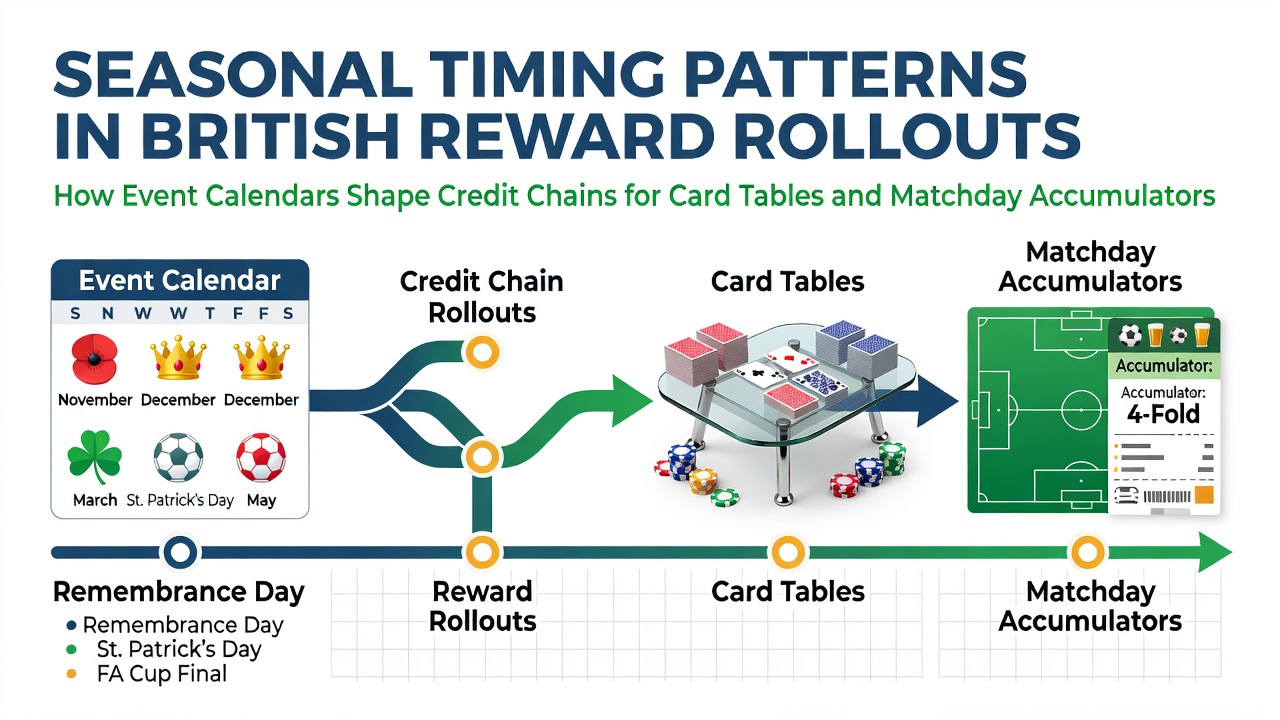
Seasonal timing patterns in British reward rollouts: how event calendars shape credit chains for card tables and matchday accumulators
Event calendars in Britain drive the rollout of betting rewards through predictable cycles that align with major sporting seasons and holiday periods, creating structured credit chains where initial free bets or deposit matches transition into follow-up offers for card tables and accumulators alike. Data from industry reports shows these patterns emerge most clearly around the start of the Premier League in August and the conclusion of European competitions in May, when operators adjust bonus structures to match increased fixture density and player engagement levels. Observers note that reward timing follows these rhythms because platforms seek to sustain activity across multiple game types rather than isolating promotions to single categories.
Football calendars and accumulator credit flows
Matchday accumulators receive targeted boosts during peak fixture periods because calendars dictate when teams play consecutive weekends or midweek rounds, and platforms respond by extending credit chains that begin with sports-specific deposits and carry over to table game incentives. Research from the European Gaming and Betting Association indicates that August typically marks a surge in such sequences since the new domestic season launches with a full slate of opening matches that encourage accumulator builds across multiple leagues. Those who track these rollouts find that early-season promotions often include bonus funds usable on both football bets and subsequent poker or blackjack sessions, linking the two through shared wagering requirements that reset on a monthly basis.
Winter breaks and international tournaments introduce different timing shifts because fewer domestic games mean operators redirect accumulator offers toward card tables to maintain volume. Platforms schedule reload credits during these lulls so that funds earned from limited football fixtures feed directly into live dealer or tournament entries, forming longer chains that span several weeks. Figures from academic studies at the University of Nevada, Las Vegas reveal that these transitions occur with measurable regularity, as bonus redemption rates climb when calendar gaps align with holiday shopping periods that bring additional player traffic.
Card table rewards and seasonal chaining mechanisms
Card tables experience their own seasonal adjustments because poker tournaments and blackjack promotions expand during periods when football attention dips, yet the credit chains remain connected through rollover mechanics that allow sports winnings to unlock table game credits. Summer months following the Champions League final see increased emphasis on no-deposit hybrids for card play, while August 2026 approaches with new season previews that bundle accumulator builders alongside poker freeroll entries. People who monitor these patterns observe that operators structure the chains so initial deposits during pre-season friendlies generate credits that activate across both categories once the competitive calendar begins.
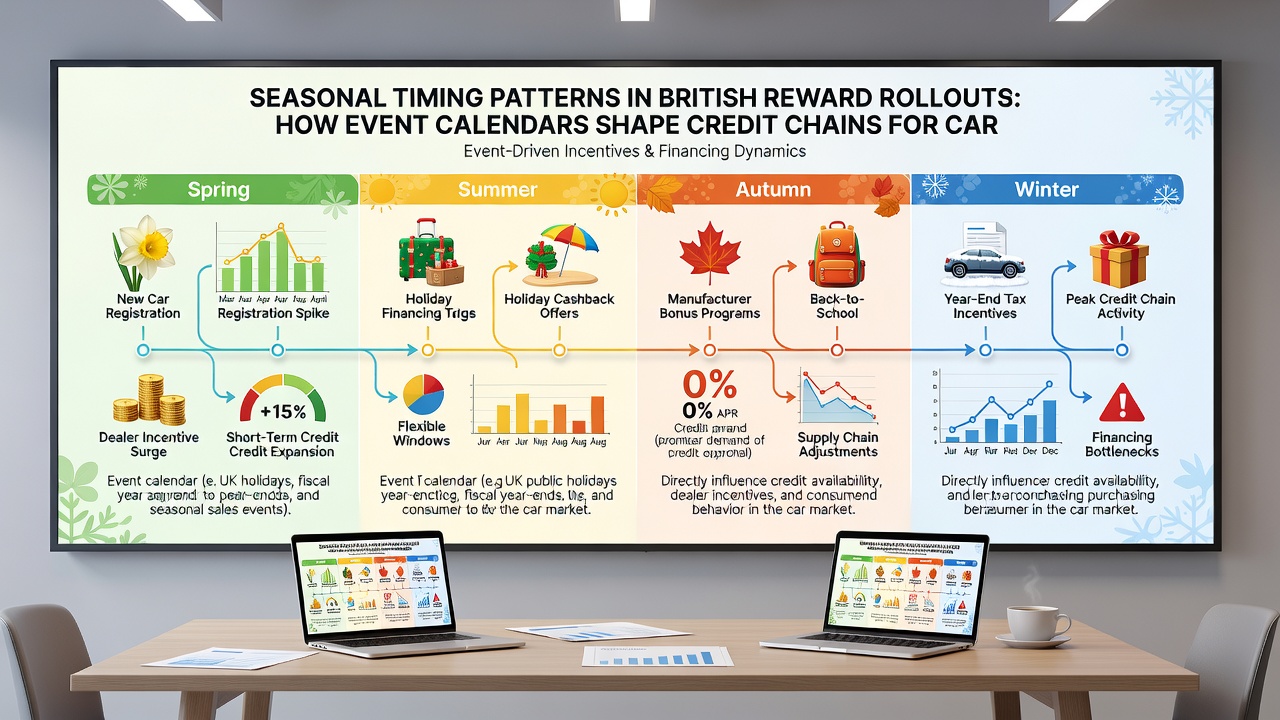
Holiday clusters around Christmas and New Year accelerate the pace because fixture congestion combines with extended leisure time, prompting platforms to layer cashback cycles that start with matchday bets and continue through table game sessions. These sequences rely on calendar predictability so that reward values scale according to expected engagement spikes rather than random promotions. Evidence from multiple tracking analyses shows the chains shorten during quieter summer intervals yet lengthen again as August fixtures approach, creating a repeating annual loop that operators refine based on historical redemption data.
August 2026 patterns and cross-game transitions
August 2026 stands out in forward projections because the football season opener coincides with summer holiday wind-downs, leading platforms to front-load accumulator credits that transition into card table bonuses once initial wagering clears. The timing allows chains to begin with pre-season deposit matches and extend through the first international break, when reduced fixtures prompt shifts toward poker and roulette incentives. Those tracking reward calendars note that this period often features notification-based drops that alert users to chained offers, ensuring funds move seamlessly between sports and table environments without separate deposit triggers.
Calendar-driven patterns also reflect broader European competition schedules because Champions League and Europa League draws create additional midweek slots that influence accumulator availability. Operators align card table rewards to these dates so that midweek football credits carry into weekend table sessions, maintaining continuity across the week. Data indicates such alignments increase overall redemption consistency, particularly when August schedules include both domestic and European starts that stretch credit validity windows.
Conclusion
Seasonal calendars therefore function as the primary framework for British reward structures, dictating when credit chains form between matchday accumulators and card tables through repeated annual cycles. August 2026 will follow established rhythms where new season launches trigger interconnected offers, while quieter intervals redirect focus to table game incentives. These mechanisms rely on predictable fixture dates and holiday overlaps rather than isolated promotions, producing measurable patterns that operators and participants both navigate according to established timelines.