Britain's Digital Gambling Operators Reveal How Cross-Game Credit Chains Influence Long-Term Player Habits on Portable Devices
Written by Vera Becker · Nov 8, 2026
Britain's Digital Gambling Operators Reveal How Cross-Game Credit Chains Influence Long-Term Player Habits on Portable Devices
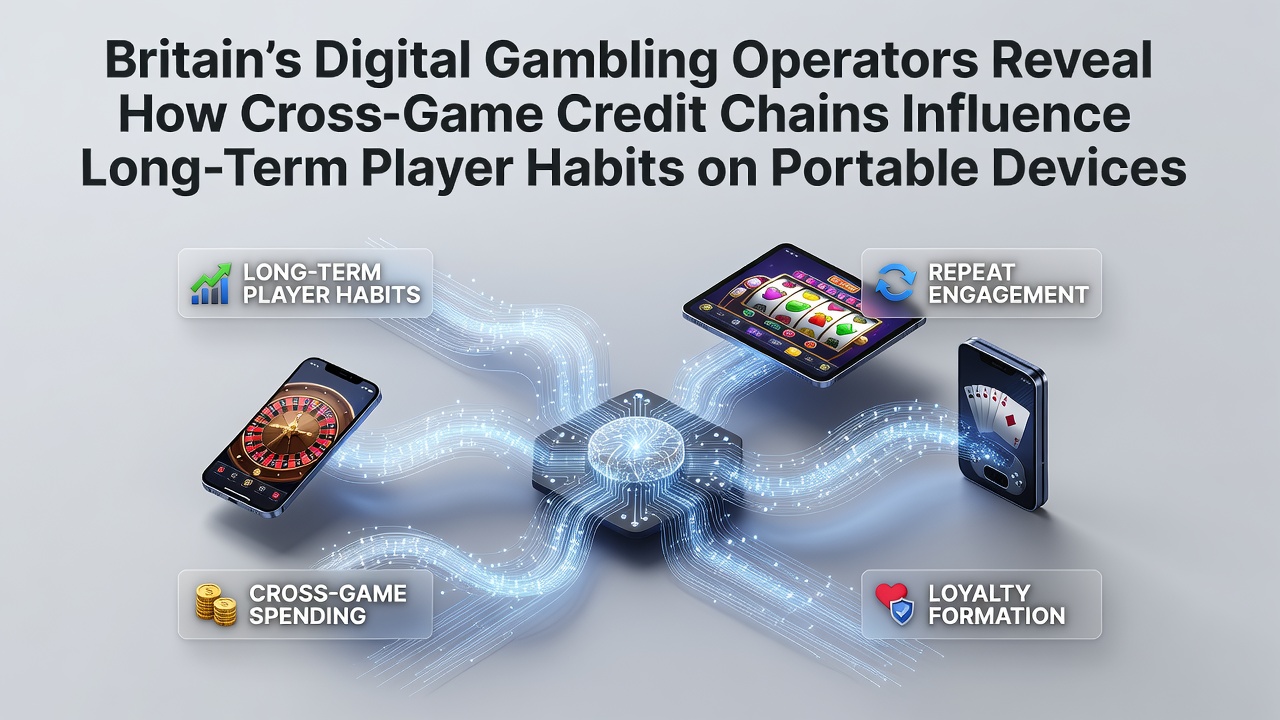
British digital gambling operators have tracked how cross-game credit chains shape player engagement patterns on portable devices over extended periods. These chains connect rewards from one game category to another, such as converting slot winnings into sports betting credits or linking poker bonuses to live dealer tables, and data collected through 2026 shows measurable shifts in session duration and game selection.
Tracking Credit Flow Across Platforms
Operators monitor sequences where initial deposits or free credits activate in slots before transferring value into sportsbook accumulators or table game tokens. Reports from multiple platforms indicate that players who follow these chains maintain active accounts for longer stretches compared to those who stay within single categories, with mobile sessions averaging higher frequency during evening hours. As of November 2026, aggregated figures reveal that portable device users complete more cross-category transitions per week than desktop counterparts, often triggered by in-app notifications that highlight remaining credit balances available for conversion.
Patterns in Mobile Session Behavior
Research conducted by independent analytics firms shows that cross-game chains encourage repeated logins throughout the day rather than isolated visits. Players start with one game type and move to another when credits unlock, extending total time spent on apps by linking separate interfaces. Observers note that push prompts and progress trackers embedded in mobile software guide these movements, creating loops where a completed slot round feeds directly into a sports wager builder. Data from Canadian regulatory analyses supports similar trends in cross-border comparisons, where chained incentives correlate with increased daily active users on handheld devices.
Impact on Retention and Game Variety
Long-term habit formation appears tied to the visibility of credit pathways within apps. When operators display remaining chain steps on dashboards, users explore additional titles they might otherwise skip. Figures released by the Australian Institute of Family Studies in recent joint studies with European partners highlight that such mechanisms sustain engagement across months, particularly among those accessing platforms exclusively via smartphones. Portable device metrics indicate shorter individual sessions but higher overall volume, as players return to check chain progress rather than committing to single extended plays.

Operators further report that chains spanning three or more categories produce distinct retention curves. A sequence beginning in slots, moving through poker free plays, and ending in football accumulators keeps accounts funded longer than isolated promotions. Those who studied these sequences found that mobile users respond to visual progress bars by initiating the next step within hours of unlocking, a pattern less pronounced on larger screens where navigation differs.
Regional Data Comparisons
Comparisons drawn from North American and EU sources reveal consistent mobile preferences for chained offers. A 2025 review by the National Council on Problem Gambling examined portable device logs and noted elevated transition rates between game types when credits carried forward automatically. British operators align these findings with their own telemetry, confirming that November 2026 snapshots show portable sessions outpacing other formats in cross-category completion rates. The structure of these chains influences which titles receive attention, with sports betting segments often serving as endpoints after casino starters.
Device-Specific Engagement Metrics
Portable platforms display unique characteristics in how credit chains unfold. Touch interfaces allow quicker switches between sections, reducing friction when moving from one reward stage to the next. Analysts tracking app telemetry observe that users on smartphones complete chain milestones at higher daily rates than tablet or desktop sessions, partly because notifications integrate directly with device lock screens. Evidence from multiple operator dashboards points to sustained account activity stretching across weeks when chains reset upon completion, prompting fresh cycles.
Conclusion
British operators continue to document these dynamics through ongoing data collection, focusing on how cross-game credit structures interact with mobile usage patterns. The connections between game categories and portable device habits provide clear indicators of player movement across offerings, supported by external research from varied international bodies. These observations remain grounded in platform statistics and comparative studies that track retention and session behaviors without relying on subjective interpretation.